

Overview
The tour takes you to some amazing wildlife areas with awesome game viewing, beginning with Tarangire and witnessing some great sightings of elephants with its dotted landscape, followed by Lake Manyara with its overwhelming bird species, and what about Serengeti and Ngorongoro, with great sightings of the big five.
Itinerary
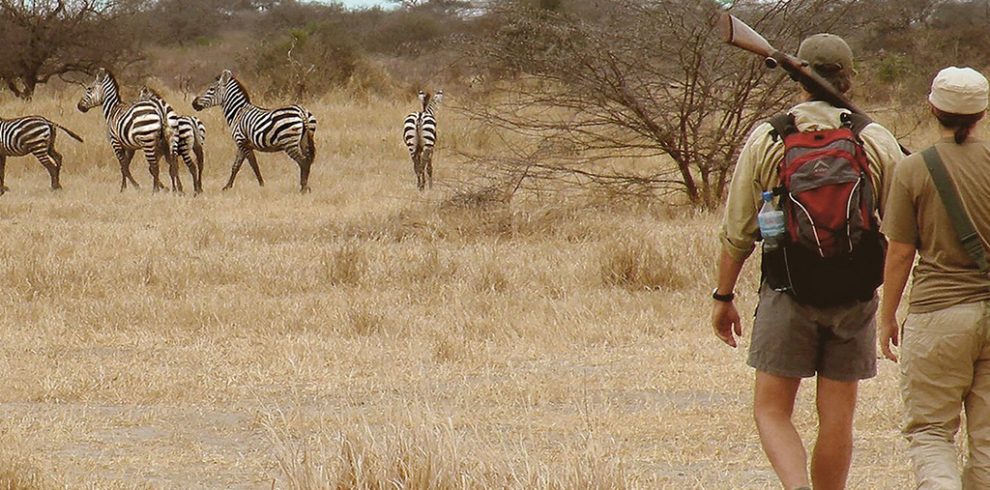
In the morning, you will be picked up from your hotel and driven to Tarangire National Park for game viewing. The Giant baobab trees, bush savannah, and seasonal marshes add to the wonder of this nature reserve. The Tarangire National Park is considered one of the best places to view elephants up close, not only because there are thousands of animals, but also because they are not disturbed by the presence of vehicles. The park is also home to buffaloes, zebras, and wildebeests, which are always closely followed by a range of predators such as lions, Leopard, and cheetahs on the late evening drive to your lodge.
Main Destination: Tarangire National Park.
Meal Plan: Lunch and Dinner.
Accommodation: Manyara Serena Lodge | Motto Cottages.
After breakfast, onward to Lake Manyara, the park is known for its over 400 bird species, primate-filled forests, and grassy plains. A large area of the park is covered by the alkaline Lake, the seasonal breeding grounds for large colonies of water birds, and the forest around the gate is a good nesting area for pelicans, herons, and marabou storks. The park is also home to giraffes, hippos, wildebeests, impalas and groups of noisy monkeys and baboons. Afternoon drives to the Manyara Serena Lodge.
Main Destination: Lake Manyara National Park.
Meal Plan: Breakfast, Lunch, Dinner.
Accommodation: Manyara Serena Lodge | Motto Cottages
After breakfast, you will travel via the cooler highlands towards the southern Serengeti, and at midday, you will reach the plains of the Serengeti. This park is the oldest and most famous in Tanzania and has a diversity of habitats and landscapes – short grass plains, savannah, thick bush, swamps, and lakes. Bizarre rock formations called kopjes dot the grassy landscape where predators are often seen. The Serengeti is famous for its yearly migration when hundreds of thousands of wildebeests and zebras trek to find fresh grass and water.
Main Destination: Serengeti National Park.
Meal Plan: Breakfast, Lunch, Dinner.
Accommodation: Serengeti Heritage tented camp | Serengeti Wilderness Tented Camp.
The entire day is dedicated to game viewing in the Serengeti National Park. The areas that you visit will depend on where the migrating herds are. Predators usually follow closely behind the trekking animals and include lions, leopards (in the acacia trees), and cheetahs. During the short rainy season in November and December, the herds move from the hills in the north to the plains in the south. During the longer rainy season from April to June, they return to the north. As the migration is completely dependent on the yearly rainfalls, the location of the herds may vary from year to year, but your guide will know where to locate the animals and where to see them best. You will spend another night at last night’s camp.
Main Destination: Serengeti National Park (Central)
Meal Plan: Breakfast, Lunch & Dinner.
Accommodation: Serengeti Heritage Tented Camp | Serengeti Wilderness Camp.
After an early breakfast, we head out for another game drive in the Serengeti. We may have the opportunity to spot the “Big Five” – lion, elephant, buffalo, rhino, and leopard – before embarking on our journey to the Ngorongoro Conservation.
The animals roam freely through the unfenced reserves, offering us an uninterrupted game-viewing experience.
Arriving at the edge of the crater, we have our first glimpse of what awaits us the following day – glistening streams, open grassland, and a myriad of animals.
We spend the evening and night at one of our carefully selected mid-range partner lodges, boasting aesthetically tasteful restaurants and the most commodious of rooms for your rest, ease, and dreams of the African Wild.
Main Destination: Ngorongoro Conservation Area.
Meal Plan: Breakfast, Lunch, Dinner.
Accommodation: Angata Ngorongoro Tented Camp | Hhando Coffee Lodge
Leave your camp very early in the morning and descend 610 meters down to the grasslands of the crater floor, an area of about 265 square kilometres. Despite its small size, the Crater is a Big 5 country, and the openness of the terrain means easy and rewarding game viewing. You will spend the day exploring the crater floor, stopping to picnic on the grasslands amidst the grazing herds. Formed by a massive volcanic eruption, the world’s largest intact and unflooded caldera provides a year-round home to an astonishing 25,000 large mammals, including black rhino, wildebeest, and zebra, along with Africa’s densest concentrations of hyena. The Crater’s forests shelter elephants and buffalo, and its wetlands are home to hippos and flamingos, while lions, jackals, leopards, and caracals make up the full range of predators. Late in the afternoon, leave the crater and drive back to Arusha. You will be dropped off at your accommodation or at the airport for your own onward connection.
Main Destination: Ngorongoro Crater
Meal Plan: Breakfast and Lunch
Accommodation: No Accommodation.
Includes/Excludes
Price Includes
- Park fees (For non-residents)
- All activities (Unless labeled as optional)
- All accommodation (Unless listed as upgrade)
- A professional driver/guide
- All transportation (Unless labeled as optional)
- Mineral water
- Roundtrip airport transfer
- Meals (As specified in the day-by-day section)
- Drinks (As specified in the day-by-day section)
Price Excludes
- International flights (From/to home)
- Additional accommodation before and at the end of the tour
- Tips (Tipping guideline US$10.00 pp per day)
- Personal items (Souvenirs, travel insurance, visa fees, etc.)
- Government imposed increase of taxes and/or park fees