- 1
- 1
- 1
- 1
- 1
- 1
- 23
- 3
- 23
- 1
- 22
- 22
- 20

- Moshi - Arusha Road, Sanawari - Arusha.
- Mon to Sun: 8.00 am - 7.00 pm

Lake Manyara National Park lies in a very dramatic setting against the steep western walls of the Great Rift Valley. It is a popular place for either a day visit or for a longer stay. However, it is an exceptional park that would deserve a visit regardless of where it is located. It was declared a part of world Biosphere Reserve in 1981.
There are at least 5 different habitats existing side by side in an area of about 325 sq. Km, in fact, on a game drive, you see more variation in the distance travelled than anywhere else in Africa. There are copious groundwater springs at one end, spilling out from the base of the Rift Valley wall. These gives to truly jungle type of underground forest, which is in stark contrast to the dry bush acacia woodland all around, and to the enormous shallow alkaline lake that lies on the Rift Valley floor. Then there is the steep escarpment wall with its own boulder-strewn habitat.
In the south of the park are found extensive hot water springs as testament to the active tectonic nature of the Rift Valley, and there is a long walkway out across the steaming rivulets and reed beds of the lake edge, giving a magnificent view up and down the full length of this part of the Rift Valley. Here you can see old bull buffalo wallowing in the warm alkaline mud, and on occasion, vast flocks of flamingoes.
Wildlife
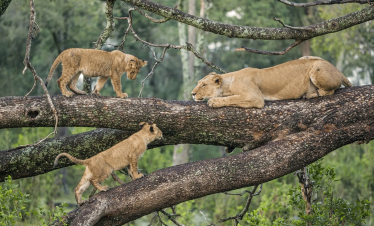
Most of the characteristic East African mammals are found here, including elephants, buffalo, hippo, giraffe, zebra, wildebeest, waterbuck, warthog, lion, leopard and reputedly the largest troops of baboons in Africa. Lions have opted to rest on trees during midday heat, giving the mistake that the Manyara lions are somehow different. Lions in many parts of Africa often spend time on the lower branches of trees to avoid flies and have a good vantage point to see prey.
Manyara is a great destination for birds and in particular water birds, including rafts of pelicans and literally millions of flamingoes at some time of the year, raptors, forest birds and woodland species.
Activities
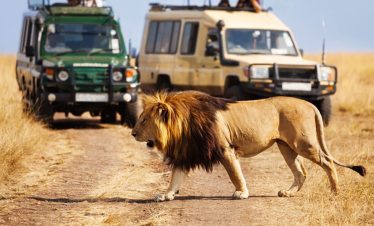
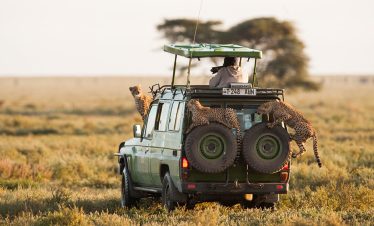
This is the main activity along a network of well-maintained roads, offering close viewing of animals, and the opening plains offer great views of the Great Rift Valley and birds soaring along the escarpment.
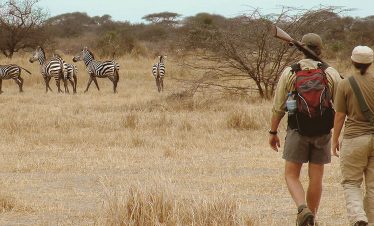
Walking safari through the park is another best way to explore this little gem, and hiking to Marang forest led by wa ell-trained guide and armed park rangers
Manyara and Tarangire are the only national parks on the northern circuit where you can experience the African bush, night sky, bush sounds and a glass of wine while stargazing on clear skies. Led by well-trained trackers, the bush will be all yours.
Depending on the level of the water these is another way to explore the park shallow alkaline lake, and get close to the flamingoes.
There is one luxury lodge in the park and one tented camp in the park, while the rest of the accommodation is outside the park. The option outside the park includes many of the on the edge of the Great Rift Valley with wonderful views across the floor of the valley and the Maasai steppe.
Getting there
There is a small airstrip at Manyara on the edge of the Great Rift that operates a daily scheduled flight throughout the year.
A good tarmac road runs down from Arusha and links Manyara, Tarangire, Ngorongoro, and places far afield to Serengeti National Park. A drive from Arusha to Manyara is approximately 2 hours’ drive.
Safari Ideas
Manyara fits well into numerous northern circuit itineraries, but of special interest are guests who are keen on birding and scenery; they should give at least two days or full day in the park.